Acupuncture
What Is Moxibustion?
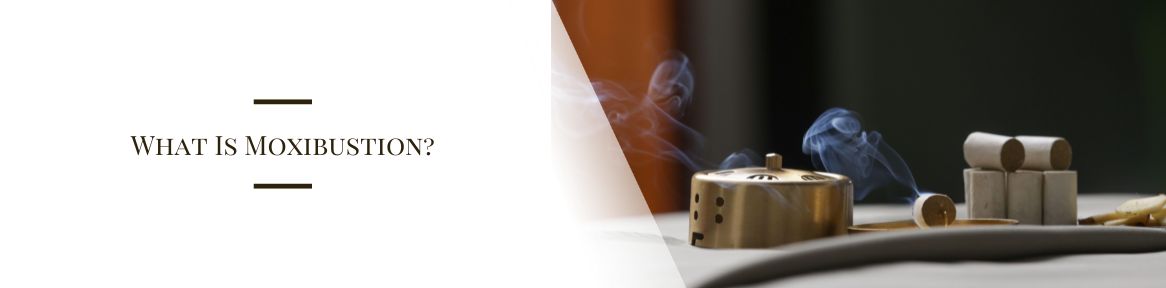
Moxibustion is a traditional therapy rooted in East Asian medicine that involves the application of heat to specific points on the body using moxa, a dried form of the herb Artemisia argyi (commonly known as mugwort). The goal is simple but powerful: warm the body, stimulate circulation, and support the natural flow of energy, often referred to as qi, to promote healing and overall well-being. continue reading
Acupuncture and Dry Needling for Hypermobility Spectrum Disorders and EDS: What the Evidence Says
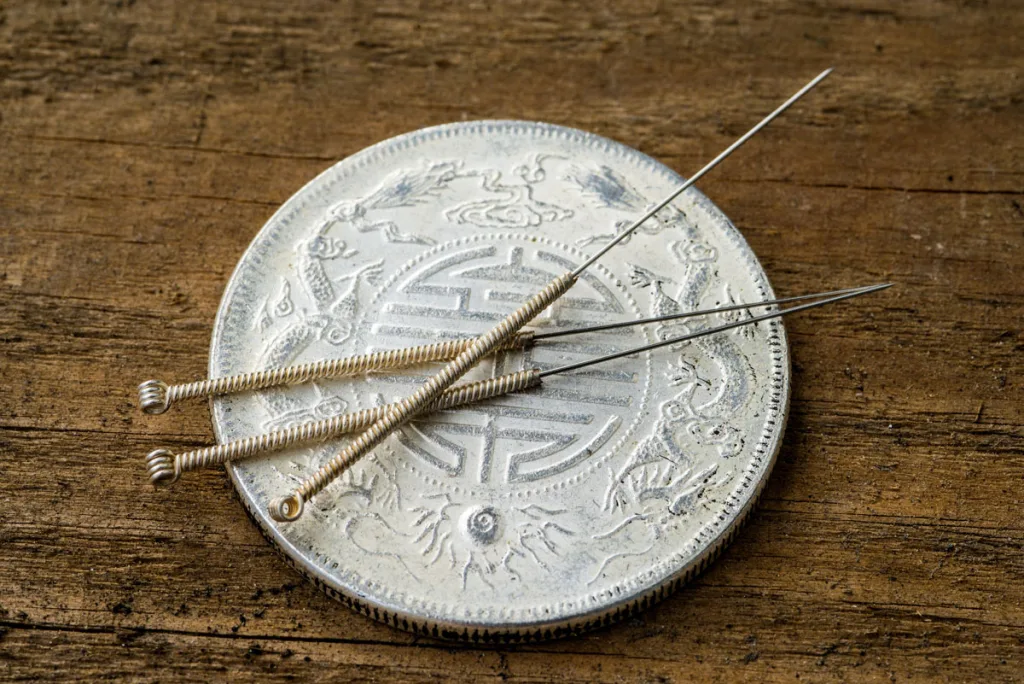
A clinician’s guide for patients navigating a condition that most providers weren’t trained to treat.
If you have Hypermobility Spectrum Disorder (HSD) or Ehlers-Danlos Syndrome (EDS), you’re familiar with a particular kind of uncertainty. The research is still catching up. Treatment guidelines are inconsistent. And the providers who genuinely specialize in hypermobility — who understand its full picture, not just the joints — are few and far between. continue reading
Acupuncture vs. Dry Needling: What’s the Real Difference?
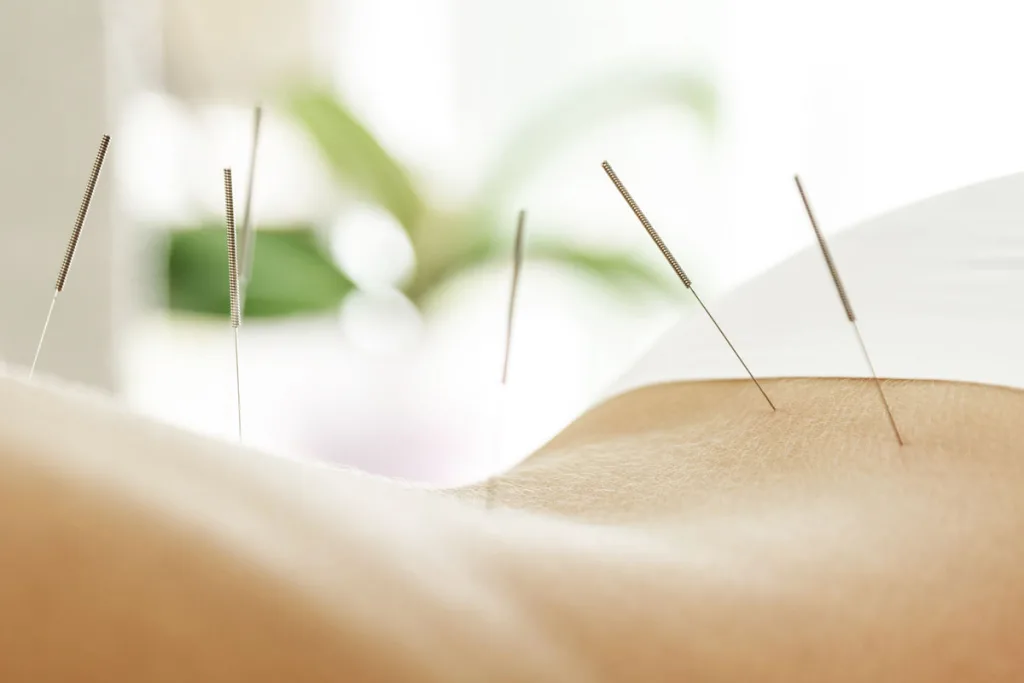
If you’ve been exploring treatment options for pain relief or injury recovery, chances are you’ve come across both acupuncture and dry needling. And if you’ve asked different providers about the difference between the two, you’ve probably gotten completely different answers. Some will tell you they’re entirely distinct therapies. Others will insist they’re essentially the same thing. A few might even bring up safety concerns or scope of practice debates. continue reading
Electroacupuncture: Ancient Wisdom, Modern Current
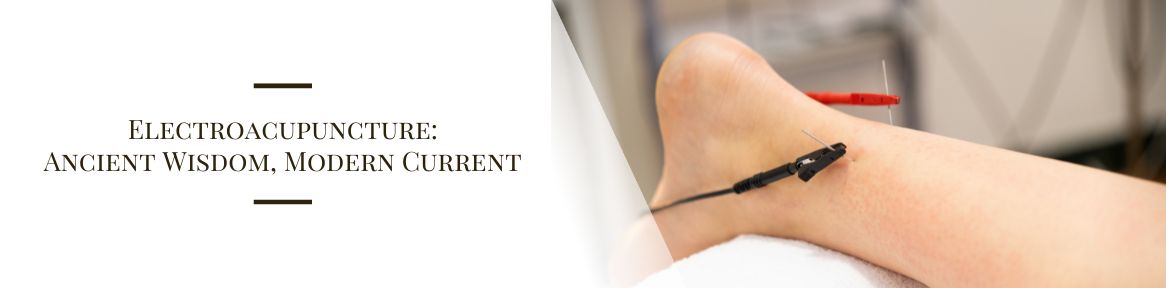
The clinic was quiet except for the soft hum of a small device on the treatment table. A runner lay comfortably, acupuncture needles placed along her calf and lower back to address chronic pain that kept her from her regular running routine.
Because of the chronic and nagging injury, she turned to acupuncture to find healing. But it wasn’t quite what she expected. Rather than simply resting with the needles inserted, the practitioner gently attached thin leads to several of the needles and turned on a device that sent a gentle electrical current through them. A subtle pulsing sensation began, almost like tiny waves moving through her muscles. Within minutes, she felt her body responding, warming, releasing.
This therapy was electroacupuncture, a technique blending the longstanding principles of traditional acupuncture with modern electrical stimulation. continue reading
The Healing Landscape of Scalp Acupuncture
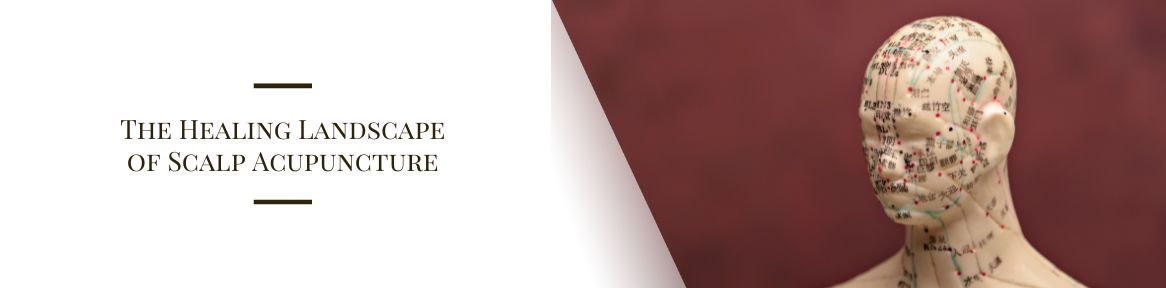
Many healing journeys begin in unexpected places. For some, recovery starts not in the muscles of the back or the ligaments of a knee, but in the quiet landscape of the scalp, an area often overlooked except for styling, washing, and the occasional headache. Yet, for many people seeking relief from neurological, physical, and emotional challenges, scalp acupuncture is becoming a compelling bridge to healing. continue reading